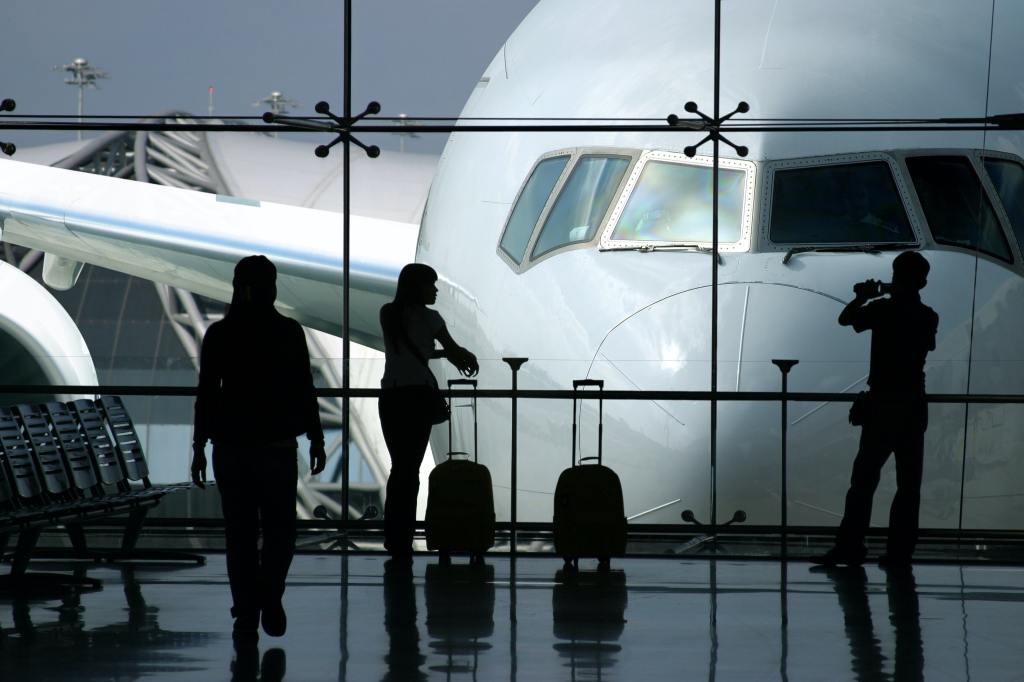
A passenger purchases a ticket to travel by plane. After passing through security, they arrive at the service desk near their terminal.
“Hello, I purchased a ticket to fly on this plane. I understand this airplane is a new model, and this is the first week it is being used commercially. I would like to inspect the craft before I board the plane to make sure that it is safe.”
The employee at the service desk looks confused and responds with a question. “What would you inspect or be looking for?”
“Anything that seems off or makes me feel unsafe,” responds the passenger.
The employee, seemingly unprepared for such a request, steps away from the desk and radios to their supervisor. After a minute, the employee returns.
“I am sorry. We do not allow passengers to interact with or inspect the exterior of the aircraft.” The employee is calm but stern.
“Why not? If you have nothing to hide and this is such a safe aircraft, why not let me take a closer look?” The passenger is accusatory now.
The employee takes a deep breath and radios once more. After several minutes, a pilot comes out to the terminal and approaches the passenger.
“Hi, there. I am the captain of the flight. These planes are safe and routinely inspected and tested before each flight. What particular concern do you have?”
“My concern is that even though I paid to travel on this plane, I am not allowed to inspect it myself to make sure that it is safe.” The passenger begins to grow more agitated.
“Do you have experience with the manufacturing or piloting of jets?” asks the Captain.
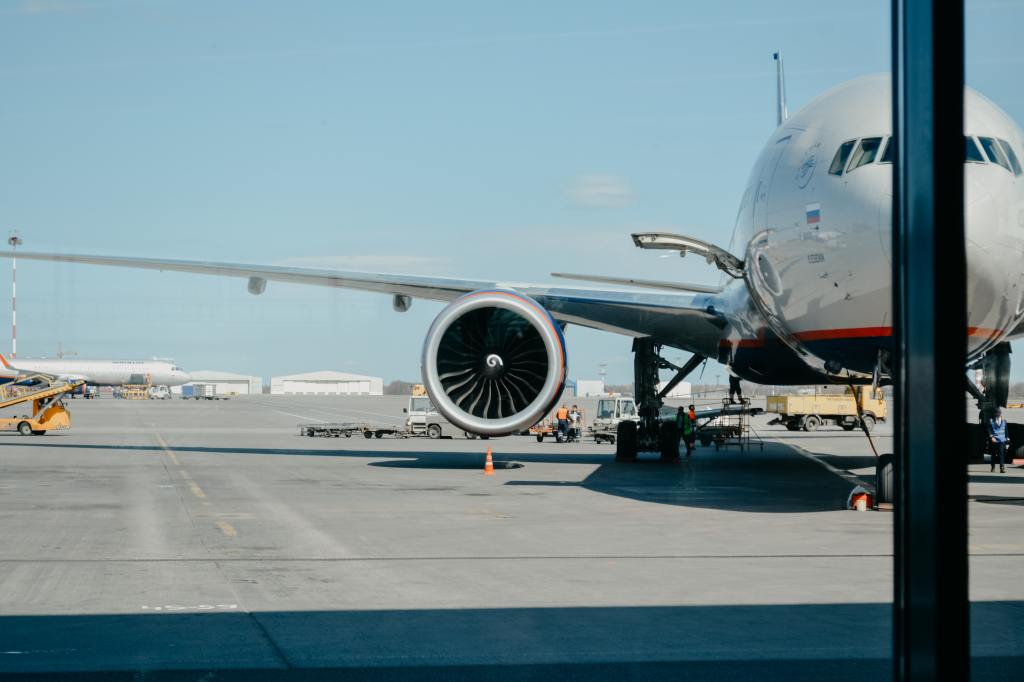
“No, but I paid to be on this plane and so I have the right to inspect it.”
“I cannot let you do that. It is possible that either intentionally or unintentionally you could tamper with the craft in some way that could cause a malfunction and endanger the crew and other passengers.” The Captain speaks calmly, trying to avoid revealing their irritation.
“I find it very strange,” says the passenger, “that you will not let me get a closer look at this craft. What are you hiding?”
“What would you think we are hiding?” asks the Captain.
“That’s just the point. I would not know until I looked.”
The Captain takes a deep breath. “We usually do not do this, but I will allow you a cash refund of your ticket if you do not feel safe and would like to make other arrangements for travel. But I cannot let you inspect the plane.”
“I think that would be best,” says the passenger. The passenger then turns to the other people waiting to board the plane. “If this business was trustworthy and the planes were as good as they say they are, I would be allowed to inspect them. I’d avoid this airline if I were you.”
The employee at the desk escorts the passenger out of the terminal and to the check-in desk where the passenger is given a full refund.
The passenger then goes to their car and starts the engine. They do not inspect their car beforehand. If they had, the passenger would have seen a nail poking out of their front driver’s side tire. On the drive home, the tire suffers a blowout on the interstate and the passenger breaks their collar bone in the resulting accident.
When their partner arrives at the hospital, the passenger laments to them, “this would never have happened if they just let me inspect their plane.”

Stephen M. Nothum
was born in St. Louis, Missouri. From a young age he was crafting stories, mainly sprawling epics with action figures. He is a graduate from Brigham Young University with a BA in English Teaching and currently a high school teacher in Eugene, Oregon. When he can get himself to, Stephen likes writing fiction that explores reality, perceptions, and pop culture. Stephen’s favorite writers are C.S. Lewis, Kurt Vonnegut, Flannery O’Connor, Ray Bradbury, and Will Sheff.
Stephen has published poetry, fiction, and academic articles in various literary and academic journals. He has also presented at state and national conferences on writing and teaching writing, and he has worked as a professional consultant to teachers helping them improve their craft.

 Stephen Nothum
Leave a comment